
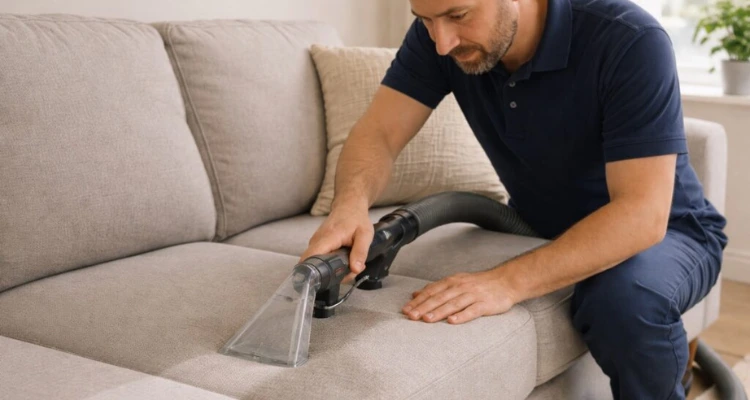
A fabric sofa from a premium furniture store is more than a seating arrangement. It is the centrepiece of your living room, the place where family evenings unfold, and where your home finds its warmth.
But even the most beautifully crafted upholstery demands consistent care to retain its texture, colour and structural integrity over time.
At Palazzo – The Furniture Lounge, Ahmedabad’s premium furniture showroom, we have seen how a thoughtful maintenance routine can keep a fabric sofa looking as refined as the day it left our store floor.
Whether you have recently invested in a new piece from our collection or are caring for an existing favourite, this complete guide walks you through everything you need to know in 2026.
Why Regular Fabric Sofa Cleaning at Home is Important
Regular cleaning is not just about appearances. It is a fundamental act of care that protects your investment and the environment in which your family lives.
Dust particles, when left unattended, settle deep into the fabric weave. Over time they dull the colour, compromise the softness and contribute to poor indoor air quality. In a city like Ahmedabad, where dust and seasonal humidity are part of daily life, this accumulation happens faster than most homeowners realize.
Beyond surface dust, everyday use brings oils from skin, food residues and pet dander into the fabric.
Without routine care, these substances degrade the fibres at a microscopic level, shortening the lifespan of even the highest-quality upholstery. A well-maintained sofa from a trusted furniture showroom not only looks composed and inviting but retains the same tactile comfort years after purchase.
In 2026, with growing awareness around home wellness and sustainable living, proper sofa care has also become an extension of responsible ownership. Keeping your furniture clean means, you replace it less frequently, which is better for both your budget and the environment.
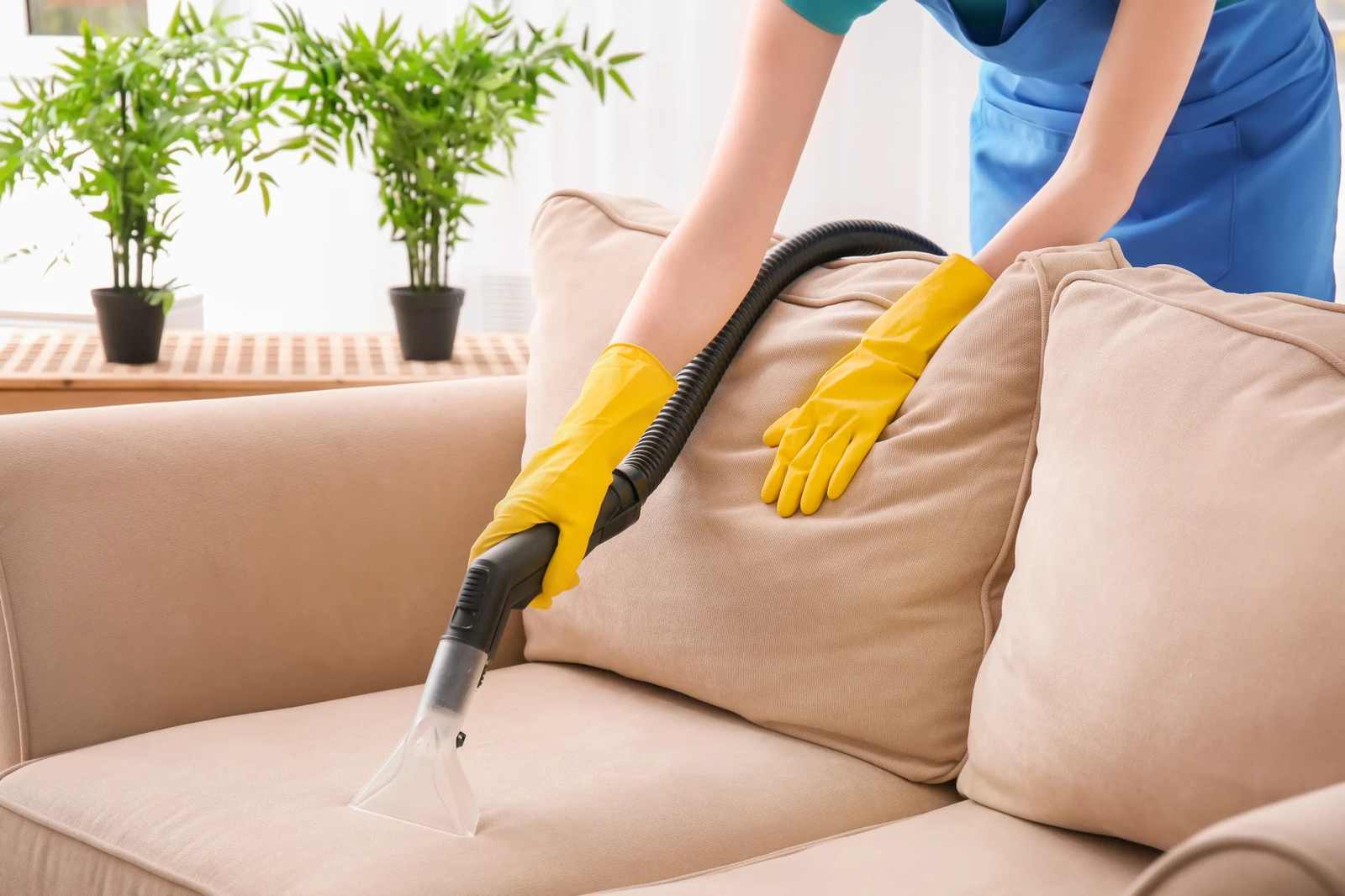
How to Clean a Fabric Sofa at Home: Step by Step Guide
Cleaning a fabric sofa at home requires a measured, informed approach. Rushing the process or using incorrect methods can cause irreversible damage. Follow these steps for safe, effective results.
Step 1: Check the Fabric Sofa Cleaning Code
Every fabric sofa comes with a cleaning code, usually found on a tag attached to the cushion or the base frame. This code tells you exactly which cleaning method the manufacturer recommends:
- W (Water-based cleaning) – Safe to use water-based solutions and upholstery shampoos
- S (Solvent-based cleaning) – Use only dry-cleaning solvents; water can cause shrinkage or staining
- WS (Water or Solvent) – Either method is safe to use
- X (Vacuum Only) – No liquid cleaning of any kind; professional cleaning is recommended
At our Palazzo showroom, every sofa we stock comes with detailed care instructions. If you are ever unsure about your cleaning code, our team is happy to guide you.
Step 2: Vacuum the Fabric Sofa Thoroughly
Before introducing any cleaning solution, remove loose dust, crumbs and surface debris with a vacuum cleaner fitted with a soft brush attachment. Work systematically across the entire sofa surface, including armrests, seat cushions and the backrest. Use slow, deliberate strokes rather than fast passes to allow the suction to lift embedded particles effectively.
Focus on Hidden Areas
Lift removable cushions and vacuum the base structure beneath them. Seams, crevices, and the gap between the seat and the backrest are prime areas for dust accumulation. Use a narrow nozzle attachment to reach these concealed sections. Hidden dust that is left unaddressed migrates back to visible surfaces over time, undoing the cleaning work done on top.
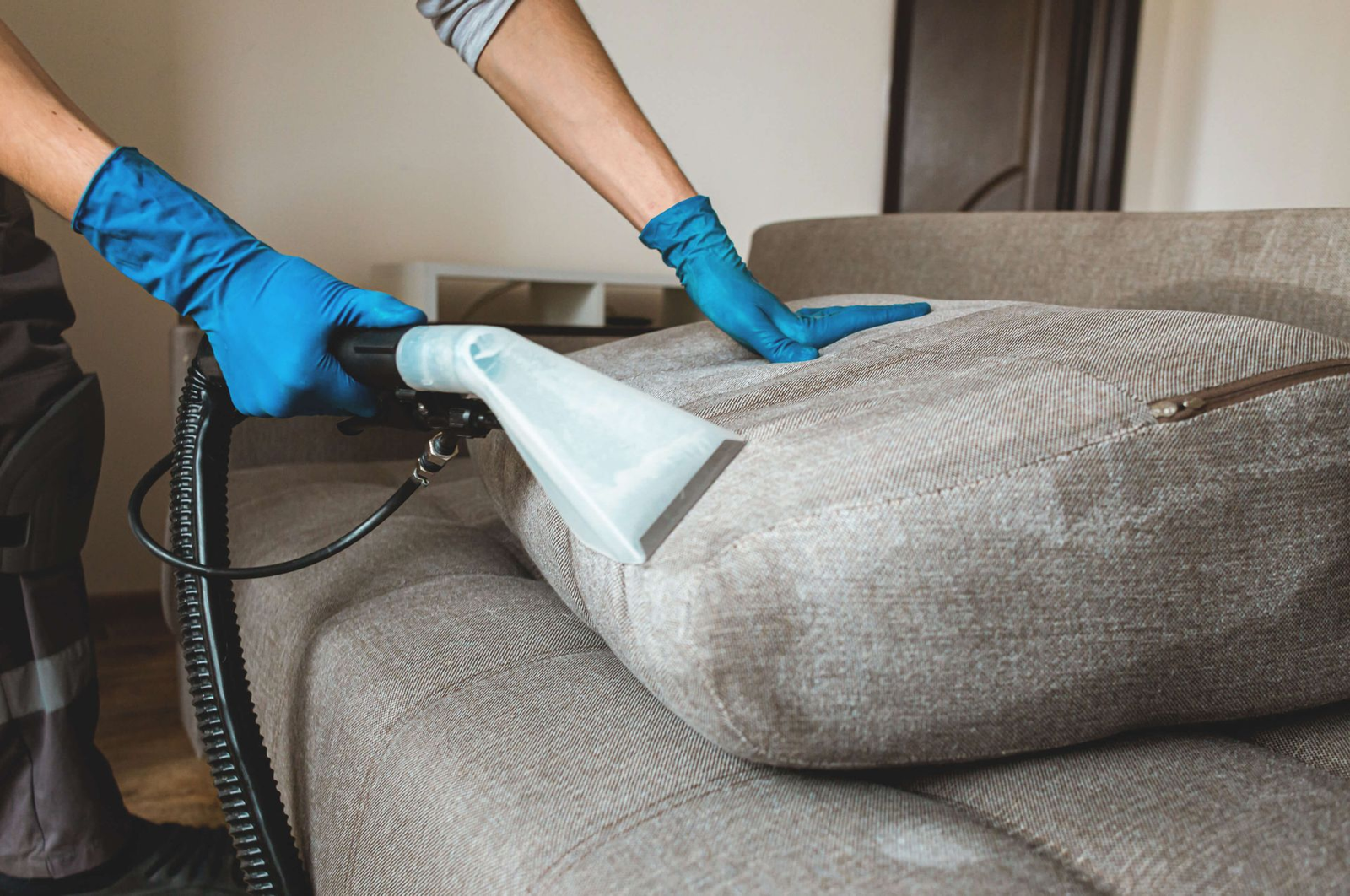
Step 3: Prepare a Safe Cleaning Solution
For sofas with a W or WS code, prepare a cleaning solution using lukewarm water and a small amount of mild, upholstery-safe liquid cleanser. Avoid dish soap in large quantities, bleach-based products or anything containing alcohol, as these can strip the fabric of its natural softness or cause permanent discolouration.
In 2026, a range of pH-neutral, eco-formulated upholstery cleansers are available across Ahmedabad and online that are both effective and gentle on premium fabrics. For S-coded sofas, choose a dry-cleaning solvent specifically designed for upholstery use.
Test Before Application
Always test your cleaning solution on an inconspicuous section of the sofa first, such as the back panel or the underside of a cushion. Apply a small amount, wait a few minutes and check for any change in colour or texture. If the fabric responds well, proceed with confidence across the rest of the surface.
Step 4: Gently Clean the Fabric Sofa Surface
Using a clean, soft microfiber cloth or upholstery sponge, dab the cleaning solution lightly onto the fabric surface. Work in small, manageable sections and ensure you do not oversaturate the material.
The goal is to lift dirt and residue, not to drench upholstery. Use a blotting motion rather than sweeping strokes for the best results.
Avoid Excessive Rubbing
One of the most damaging things you can do to a fabric sofa is scrub aggressively. Vigorous rubbing weakens the fibre structure, causes surface pilling, and spreads stains into a larger area rather than lifting them.
Allow the cleaning solution to do the work.
Gentle, controlled dabbing is always more effective and far kinder to premium upholstery.
Step 5: Remove Excess Moisture and Let it Dry
Once you have cleaned the surface, use a separate dry cloth to blot away any remaining moisture. Press firmly but gently to draw moisture out without rubbing. Allow the sofa to air dry completely in a well-ventilated room. Open windows or use a ceiling fan to encourage airflow, which speeds up drying time naturally.
Never use a hairdryer, heat gun, or place the sofa directly under strong sunlight to accelerate drying.
Concentrated heat can cause fabric shrinkage, colour warping, or uneven texture. In Ahmedabad’s warmer months, even indoor heat can be sufficient to dry a lightly cleaned sofa within a few hours if ventilation is good.
How to Maintain a Fabric Sofa for Long Lasting Use
Cleaning is one part of the equation; consistent maintenance is what truly extends the life of a fabric sofa. A few straightforward habits make a substantial difference over time.
Position your sofa away from windows where it will receive prolonged direct sunlight. UV exposure is one of the leading causes of fabric fading and fibre deterioration in Indian homes.
Even high-quality upholstery fabrics, when exposed to consistent direct sunlight, lose their vibrancy within a year or two.
Rotate and flip cushions regularly to distribute wear evenly.
This simple habit prevents any single section of the sofa from bearing the brunt of daily use and keeps the seating surface looking balanced and well-shaped.
Adopt Preventive Measures
Consider using sofa throws or armrest covers in high-traffic zones. A thoughtfully chosen to throw not only adds to the aesthetic of your living room but provides a protective barrier against spills, pet fur and friction wear. These covers can be washed easily and replaced as needed, preserving the original upholstery beneath in its best condition.
If you have pets or young children, consider a fabric protector spray. In 2026, a few non-toxic, water-repellent fabric protector formulas are available that create an invisible shield on upholstery without altering the texture or breathability of the fabric. Reapply every six months for consistent protection.
Establish a Cleaning Routine
A structured routine removes the need for intensive intervention later. Here is a simple framework that works well for most households:
- Weekly: Vacuum all surfaces including underneath cushions
- Monthly: Spot-clean any visible stains or marks using the appropriate method for your fabric code
- Every 3-4 months: Full surface clean with a mild upholstery solution
- Annually: Consider a professional deep clean, especially for sofas in busy households
Consistency is far more valuable than occasional intensive cleaning sessions. Small, regular efforts keep the sofa in showroom condition throughout its life.
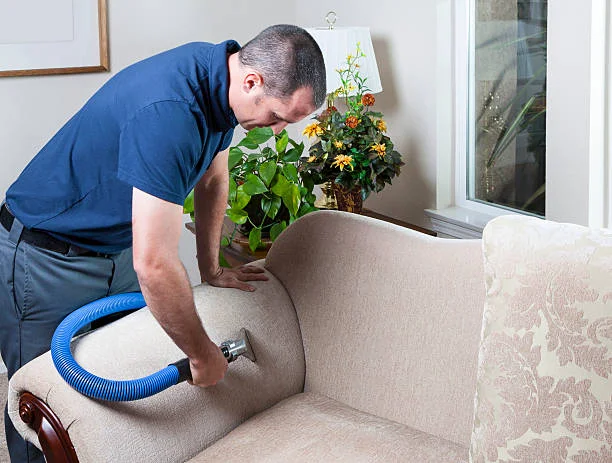
Deep Cleaning: DIY vs. Professional Services
While routine care is vital, a deep clean is recommended every 6 to 12 months, depending on usage. For households with pets or children, this frequency should be increased. Knowing when to handle it yourself and when to call a professional saves you both time and potential damage.
When to DIY
If your sofa has a W or WS code, you can carry out a DIY deep clean using a portable upholstery cleaner. These machines use a combination of warm water and suction to lift deep-seated dirt and residue. Many are available for rent or purchase at home furniture stores in Ahmedabad. Always use the cleaning solution recommended for the machine and ensure the fabric dries completely before use to prevent moisture build-up in the padding.
When to Call a Professional
For delicate fabrics with an S or X code, or for expensive investment pieces purchased from a premium furniture store, professional steam cleaning is the safest option. Professionals use high-grade extraction equipment that removes allergens and bacteria trapped deep in the fabric. Professional cleaning is also the right choice for deep-set stains, persistent odours, post-renovation dust accumulation, or any sofa that has not been cleaned in over a year.
Common Mistakes to Avoid When Cleaning Fabric Sofa at Home
Even well-intentioned cleaning can cause damage if the wrong approach is taken. Here are the most common mistakes to avoid:
- Over-wetting the fabric: Excess moisture penetrates the padding and foam beneath, leading to mould growth, unpleasant odours and structural weakening over time.
- Ignoring the cleaning code: Using water on an S-coded sofa or a solvent on a W-coded one can cause permanent staining, shrinkage or discolouration.
- Skipping the patch test: Every fabric reacts differently to cleaning agents. Applying a solution across the whole sofa without testing first is a significant risk, even with gentle formulas.
- Using harsh household cleaners: Products designed for kitchen or bathroom surfaces often contain chemicals that are far too strong for delicate upholstery fibres.
- Accelerating drying with direct heat: Hairdryers, irons or sunlight can distort fabric texture and cause lasting damage to the outer cover and inner foam.
- Rubbing stains aggressively: This embeds the stain deeper into the fibre and spreads it outward, making it harder to remove and more visible.
When in doubt, reach out to the furniture showroom where you made your purchase. At Palazzo, our team is always available to offer care guidance specific to the fabric and construction of your sofa.
When Should You Consider Professional Sofa Cleaning
Home cleaning handles most routine care, but there are situations where professional intervention delivers better results and prevents further damage.
- Deep-set stains that have not responded to home cleaning methods, particularly those that have dried or set over time
- Persistent odours from pets, spills or environmental sources that surface cleaning alone cannot neutralize
- Delicate or X-coded fabrics that require specialist equipment and knowledge
- Post-renovation or post-construction cleaning, where construction dust has embedded deeply into the upholstery
- Annual deep cleans for sofas in households with high usage, children or pets
Professional cleaners use hot water extraction or dry-cleaning equipment that reaches deep into the padding, removing allergens, bacteria and embedded particles that home cleaning cannot access. For premium upholstery purchased from a furniture store like ours, periodic professional care is a worthwhile investment in longevity.
Conclusion
A fabric sofa is one of the most used and most loved pieces of furniture in any home. With the right care routine, it can remain as beautiful and comfortable as the day you brought it home from our showroom. Cleaning is not a sporadic chore, but an ongoing discipline that protects your investment and the character of your living space.
At Palazzo – The Furniture Lounge in Ahmedabad, we believe that exceptional furniture deserves exceptional care. If you ever need guidance on maintaining a specific fabric or are looking to explore our latest 2026 sofa collection, visit our premium showroom in Ahmedabad and let our team assist you. Your sofa is a long-term companion for your home; treat it with the intention it deserves.
Frequently Asked Questions
1. How do you clean a fabric sofa at home naturally?
A diluted white vinegar solution (one part vinegar to two parts of water) works well for light cleaning and odour removal on W-coded sofas. Baking soda sprinkled on the surface and vacuumed after 20 to 30 minutes is an effective natural deodorizer. Always patch test before using any natural solution across the full sofa.
2. What is the best way to clean a fabric couch without damaging it?
Always start by checking the cleaning code on the label, then vacuum before applying any liquid. Use a mild solution sparingly, apply it with a soft macrofibre cloth using a dabbing motion and blot dry immediately. Never scrub, never oversaturate, and never use heat to dry the fabric.
3. Can bake soda clean fabric sofa?
Baking soda is excellent for deodorising fabric sofas. Sprinkle a light, even layer across the sofa surface, leave it for 20 to 30 minutes and then vacuum thoroughly. It absorbs surface moisture and neutralizes odours without affecting the fabric. However, it is not strong enough to remove stains and should be used as a complement to, not a replacement for cleaning.
4. How often should you clean a fabric sofa at home?
Vacuum your fabric sofa every week as part of your regular home cleaning routine. A more thorough surface clean with an upholstery solution should be done every three to four months, or sooner if there are visible stains or spills. Annual professional cleaning is ideal for sofas that see heavy daily use.
5. Should I use a fabric protector spray on my sofa?
Yes, a fabric protector spray is a smart preventive measure, particularly for sofas in homes with children or pets. In 2026, several non-toxic, breathable formulas are available that repel liquid spills without altering the look or feel of the fabric. Apply it to a clean, dry sofa and reapply every six months for ongoing protection.